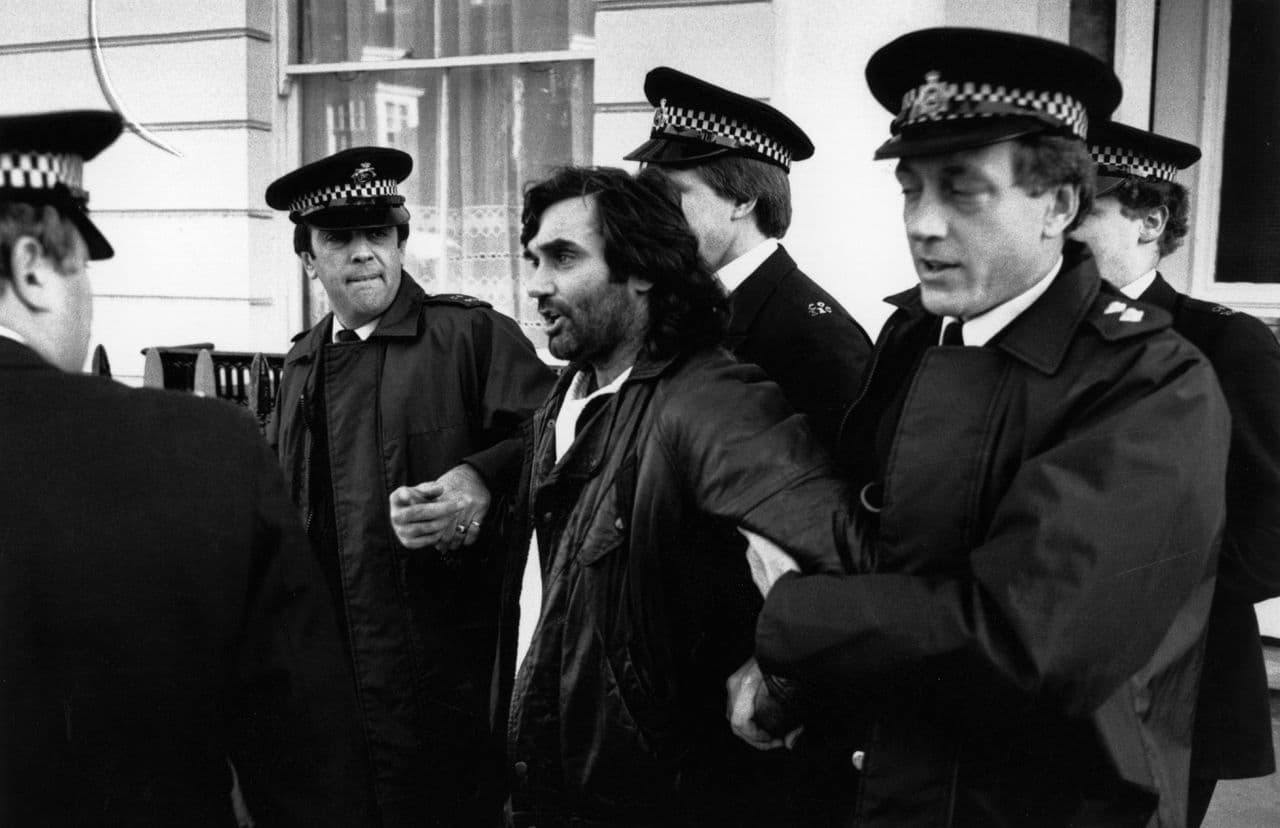
George Best After United: Sacked, Banned, Jailed, Still a Legend
Key points
- ▪George Best exited Manchester United at age 27 in 1974.
- ▪Post-United years featured stints across England, Scotland, the US, and beyond.
- ▪Disciplinary issues led to sackings, a ban, and a prison sentence.
For most footballers, leaving Manchester United in your prime would be a career-ending blow. For George Best, it was just the end of the opening act. When the Northern Irish wizard walked away from Old Trafford at 27, he traded Premier League trophies for a life that careened between showmanship and self-destruction. The result was a decade that turned the Belfast boy into a global wanderer, a tabloid fixture, and ultimately, a cautionary tale who never lost his mystique.
The Fall from Grace
George Best's exit from Manchester United was not a quiet transfer. It was a messy, public breaking point with the club that had made him a star. Injuries, late nights, and clashes with management had long been part of his story, but by 1974 the patience had run dry. United let him go, and Best found himself adrift—still dazzling on the pitch, but increasingly known for the chaos off it.
What followed was a punishing cycle. Clubs across England, Scotland, and beyond took a gamble on the fading genius, only to see him sacked for missing training, drinking binges, or falling out with coaches. The authorities also took notice: a suspension from football followed his repeated misconduct, and a spell in prison for drink-driving and assaulting a police officer turned a sporting scandal into a criminal one. For a man once compared to Pelé, it was a steep fall.
A Globe-Trotting Career
The 'globe-trotting' was never just a holiday. Between 1974 and the mid-1980s, Best turned out for clubs in England, Scotland, Ireland, and the United States, where the North American Soccer League offered a final payday and a more forgiving spotlight. He played for the Los Angeles Aztecs, the Fort Lauderdale Strikers, and other franchises that were more about celebrity than silverware. In the US, his love affair with the high life fit right in; the pitches were sun-drenched, the nightlife endless, and the opposition less demanding.
Yet even in that relaxed environment, Best could not escape his own recklessness. The sackings continued. The bans piled up. At one point, he was jailed for 12 weeks in 1984, a punishment that shocked those who remembered his balletic runs down the wing. But each time he emerged, he still had flashes of brilliance—a free kick, a dribble, a hat-trick—that made you wonder what might have been if he had stayed in Manchester.
A Legacy Beyond the Chaos
What makes George Best's post-United career so compelling is not the trophies—there were almost none—but the raw, unfiltered humanity. He became both a tragic figure and a defiant one, living on his own terms even as those terms destroyed him. His football genius never fully vanished; it was just hidden beneath layers of excess.
Today, we remember Best as one of the most gifted players ever to grace a pitch. His time after Manchester United may have been defined by sackings, bans, and jail, but it also showed how fragile stardom can be. For every young player chasing glory, his story is a warning: talent alone doesn't promise a happy ending. Yet the legend endures, because even in his worst moments, Best never stopped being fascinating.
What It Means
George Best's post-Old Trafford decade was a mirror of his personality—brilliant, messy, and impossible to look away from. It reminds us that football icons are not immune to the world outside the touchline. As we enjoy the modern game's carefully managed stars, Best's chaotic journey stands out as a relic of a wilder era. His legacy, though battered, remains intact: he was simply too good to be forgotten, no matter how far he fell.
More from OffsidePost
Premier League Hot Seat: Which Managers Face the Sack First?
Benfica humble Milan 2-0 in Europa League opener as Pulisic subs on
Julian Hall Earns USMNT Call-Up as Pochettino Names Youthful Squad
Report: Musah and Mehmeti earn USMNT call-ups as Pulisic misses out
Same old Manchester United story: Michael Carrick now feeling the heat
Hurzeler credits belief and character as Brighton see off Manchester United