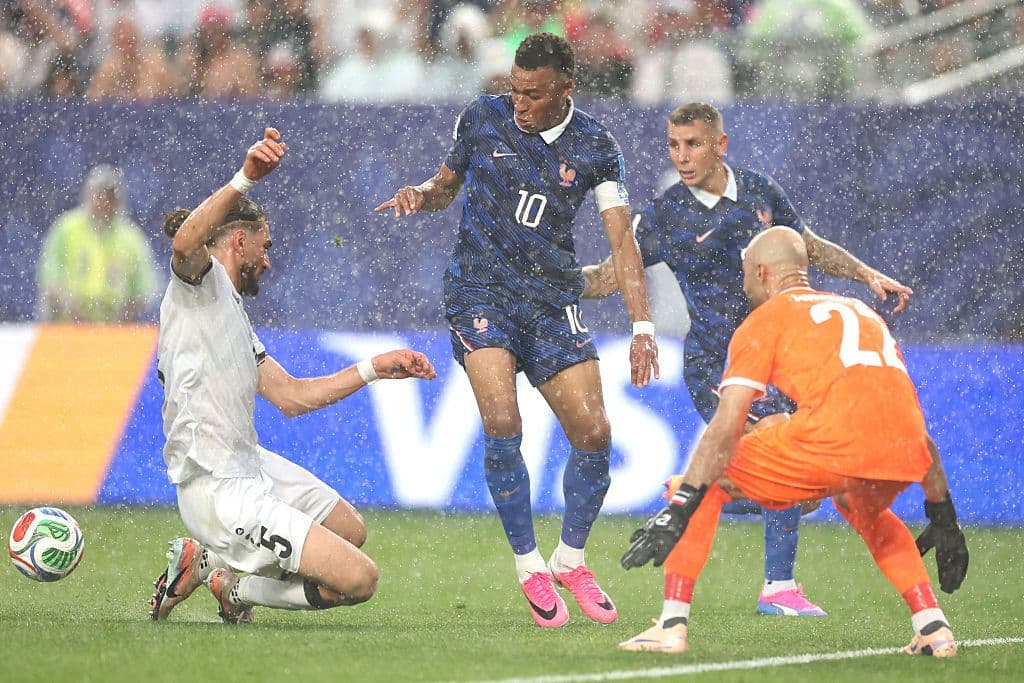
Storm Chaos Hits France vs Iraq: Inside FIFA's World Cup Weather Protocols
Key points
- ▪France vs Iraq delayed due to severe storms in host city.
- ▪FIFA's weather protocols include match suspension and rescheduling.
- ▪Kick-off times may shift to avoid extreme conditions.
The 2026 World Cup has been hit by its first major weather disruption, with the group stage showdown between France and Iraq thrown into chaos after severe storms swept through the host city. As fans huddled under shelter and players waited in the tunnel, the question on everyone's lips was: what happens next?
What Happened?
Just minutes before the scheduled kick-off, torrential rain and high winds forced match officials to delay the fixture. The pitch quickly became waterlogged, and with lightning in the vicinity, safety protocols were triggered. Both teams were held in the dressing rooms as tournament organizers assessed the situation.
This is not just about a single match – it's a test of the entire tournament's contingency planning. The 2026 World Cup, co-hosted by the United States, Canada, and Mexico, spans multiple climates and weather zones. Extreme heat, hurricanes, and thunderstorms are all realistic threats.
FIFA's Weather Protocols Explained
FIFA's weather protocols are designed to prioritize player and spectator safety. According to the official guidelines, the referee has the authority to suspend or abandon a match if conditions are deemed dangerous. This includes lightning, heavy rain, strong winds, or extreme heat.
If a match is stopped before it starts, it can be rescheduled to a later time on the same day or, in extreme cases, moved to the following day. The tournament's dense schedule means any delays can ripple through the group stage, affecting rest periods and recovery. For France vs Iraq, officials opted for a delay rather than a cancellation, hoping the storm would pass quickly.
Why It Matters
The incident has sparked broader discussion about the impact of weather on World Cup fixtures. Unlike indoor tournaments, outdoor football is at the mercy of the elements. With climate change increasing the frequency of severe weather events, future World Cups may need more robust protocols – including retractable roofs or even moving matches to alternative venues.
For now, the focus is on getting France and Iraq onto the pitch. Both teams had prepared for a high-tempo encounter, but the interruption could disrupt their rhythm. Coaches will have to adapt their pre-match routines, and players must stay mentally sharp amid the uncertainty.
What It Means
This weather disruption is a wake-up call for the tournament. While the protocols are in place, the real test lies in execution. If the storm system persists, more fixtures could be affected, throwing the group stage into disarray. The organizing committee will be monitoring forecasts closely, and contingency plans may need to be activated.
For fans, it's a reminder that even at the pinnacle of football, nature can be the ultimate referee. The France vs Iraq match will proceed – but only when it's safe to do so. That's a protocol worth applauding.
More from OffsidePost
Arsenal's champion aura evaporates after Brighton thrashing
Chicago Stars vs Washington Spirit: How to Watch NWSL Clash on TV and Live Stream
Sevilla vs Barcelona: LaLiga Preview, Team News and Live Stream Details
Arsenal's WSL title drought will only end when the goals start flowing
Sandro Mazzola, Inter and Italy icon, dies aged 83
San Lorenzo vs Boca Juniors: How to Watch Argentine Giants Clash