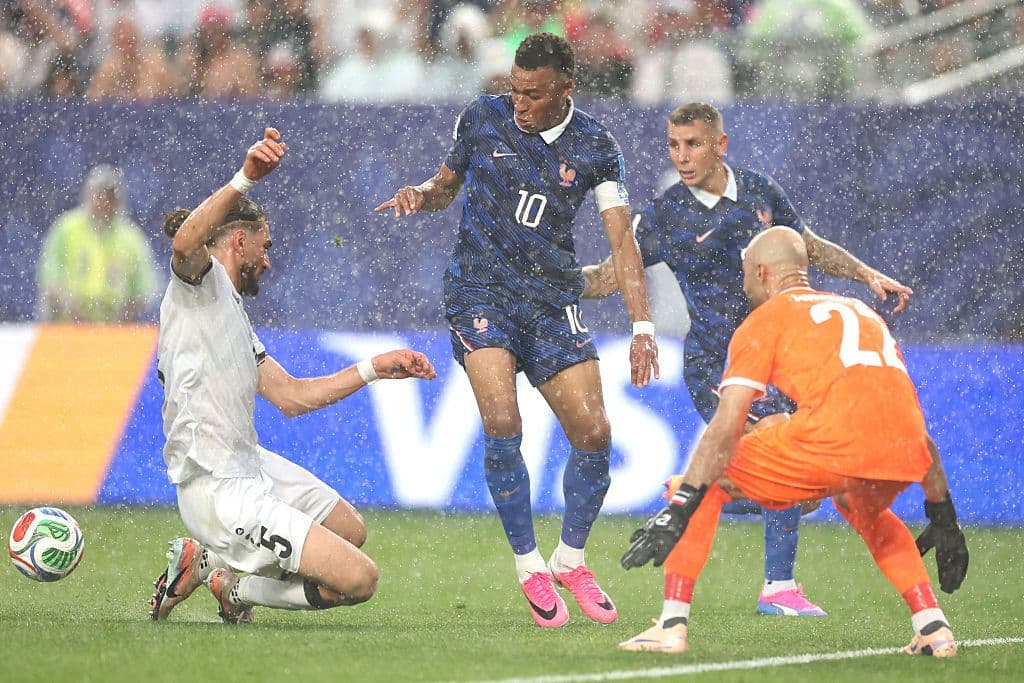
Has a World Cup game ever been abandoned due to extreme weather?
Key points
- ▪2026 World Cup will be played across the United States, Canada, and Mexico.
- ▪No previous World Cup match has been abandoned due to weather.
- ▪Organizers must prepare for heatwaves, hurricanes, and wildfires.
The 2026 World Cup is set to be the biggest yet, but it's not just the expanded 48-team format that has organizers sweating. According to a recent report, the tournament is likely to see multiple games affected by extreme weather warnings across North America. That raises a question that has rarely been asked in the sport's history: has a World Cup game ever actually been abandoned?
The historical precedent
Believe it or not, in the 94-year history of the World Cup, no match has ever been abandoned due to extreme weather conditions. While qualifiers in remote, heat-drenched locations have occasionally been called off—such as a 2019 Asian qualifier in Qatar halted by sandstorm—the finals themselves have been remarkably resilient. The closest the tournament has come was during the 2014 group stage in Manaus, where players struggled through 40°C heat and 80% humidity, but the game (England vs. Italy) went the full 90 minutes. That match prompted FIFA to introduce cooling breaks, but abandonment never became necessary.
Why 2026 is different
The 2026 edition, however, faces a perfect storm of climate challenges. Co-hosted by the United States, Canada, and Mexico, it spans a wide geographic range that brings its own hazards. Summer heat in Dallas, Houston, or Guadalajara can easily exceed 38°C, while cities like Vancouver or Toronto are prone to wildfire smoke. Meanwhile, hurricane season (June through November) coincides with the tournament window, posing a threat to coastal stadiums like Miami and East Rutherford. The report warns that such events could force postponements—or even cancellations—if safety thresholds are reached.
What it means for the beautiful game
FIFA has already shown willingness to adapt, with heat-related stoppages now standard in warm-weather tournaments. But extreme weather isn't just a player safety issue. It affects fan experience, broadcast schedules, and the integrity of the competition itself. A drawn-out group stage could see critical fixtures shifted at short notice, impacting team preparation. For fans traveling across time zones, sudden cancellations would be a logistical nightmare. Organizers will need to build flexibility into the fixture list—perhaps scheduling early kick-offs in hot cities and designating indoor backup venues where possible.
The bottom line: the 2026 World Cup will test football's ability to handle a changing climate. While no match has ever been abandoned in the tournament's history, that record may not survive a North American summer. The game must prepare for the heat, the storms, and the uncertainty that comes with hosting on a continental scale.
More from OffsidePost
Arsenal's champion aura evaporates after Brighton thrashing
Chicago Stars vs Washington Spirit: How to Watch NWSL Clash on TV and Live Stream
Sevilla vs Barcelona: LaLiga Preview, Team News and Live Stream Details
Arsenal's WSL title drought will only end when the goals start flowing
Sandro Mazzola, Inter and Italy icon, dies aged 83
San Lorenzo vs Boca Juniors: How to Watch Argentine Giants Clash