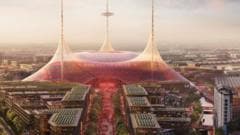
Manchester United seal land deal for 100,000-seater stadium
Key points
- ▪Club buys 25-acre plot close to Old Trafford
- ▪Planned 100,000-seat stadium would be UK's biggest
- ▪Project moves from concept to concrete stage
Manchester United have inched closer to a seismic shift in their stadium future by completing the purchase of a 25-acre site next to their historic Old Trafford home. The land deal marks a decisive move from talk to action, paving the way for a proposed 100,000-seater mega-arena that would dwarf every other club ground in the country.
The Land Deal
The acquisition of the 25-acre parcel — located immediately adjacent to the current Old Trafford footprint — gives United the physical space needed to build a stadium of monumental proportions. While the club have long explored options to redevelop or relocate, buying the land removes one of the biggest obstacles: finding a suitable site close enough to preserve the club's spiritual home while allowing a modern, much larger structure. The deal signals that the board, led by co-owner Sir Jim Ratcliffe, is serious about delivering a world-class venue that can compete with the likes of Wembley and the Santiago Bernabéu.
What It Means for Old Trafford
Old Trafford, with its current capacity of around 74,000, has been the Theatre of Dreams since 1910. But it has aged, with concourses that feel cramped and corporate facilities lagging behind rivals. A new 100,000-seat stadium would not only increase matchday revenue by thousands more tickets but also unlock new commercial opportunities — from premium hospitality to naming rights. It would also allow United to host major international finals and concerts, transforming the area into a year-round destination. The new ground is planned to sit on the same general footprint, meaning the club won't abandon their heritage; instead, they will build a futuristic successor steps from the old one.
What Comes Next
With land secured, the focus now shifts to finalising designs, securing planning permission, and lining up financing. United have yet to confirm a timeline, but the purchase suggests a fast-track approach under the new football leadership. If greenlit, construction could take four to five years, potentially opening in the early 2030s. The club will need to navigate local community concerns and infrastructure upgrades, but the momentum is undeniable. For fans, this could be the most transformative project since Sir Matt Busby built the United dynasty. A 100,000-capacity fortress would not just be a stadium — it would be a statement of intent to keep Manchester United at the pinnacle of world football.
More from OffsidePost
Arsenal's champion aura evaporates after Brighton thrashing
Chicago Stars vs Washington Spirit: How to Watch NWSL Clash on TV and Live Stream
Sevilla vs Barcelona: LaLiga Preview, Team News and Live Stream Details
Arsenal's WSL title drought will only end when the goals start flowing
Sandro Mazzola, Inter and Italy icon, dies aged 83
San Lorenzo vs Boca Juniors: How to Watch Argentine Giants Clash