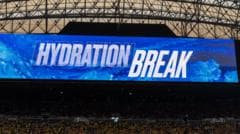
Hydration Breaks? All Sport, No Cash, Says FIFA's Infantino
Key points
- ▪Hydration breaks are a sporting measure, not a commercial one.
- ▪FIFA president Gianni Infantino insists no extra income from the breaks.
- ▪Breaks were introduced to protect player health in high temperatures.
FIFA president Gianni Infantino has put to rest any speculation that the hydration breaks introduced at the World Cup were a hidden cash cow. In a recent statement, Infantino made it clear that the pauses in play are "purely a sporting matter" and bring "no additional revenue for FIFA."
The Context of Hydration Breaks
Hydration breaks first appeared at the 2014 World Cup in Brazil, where matches were played in sweltering conditions. They were later adopted for the 2018 tournament in Russia and have become a staple in FIFA's regulations for matches played in extreme heat. The breaks, typically lasting around three minutes, allow players to rehydrate and cool down, reducing the risk of heat-related injuries.
For fans, the breaks can disrupt the rhythm of a match, but player welfare has always been the stated priority. Infantino's remarks reinforce that position, dismissing any notion that FIFA might have leveraged the stoppages for commercial gain—such as additional advertising slots or sponsorship activations.
Why It Matters for FIFA's Image
FIFA has faced persistent criticism over its commercial practices, from allegations of corruption to the controversial awarding of the 2022 World Cup to Qatar. The introduction of hydration breaks could have been seen as another opportunity for revenue generation, but Infantino's comments aim to shield the organization from such accusations.
By framing the breaks as purely health-related, FIFA strengthens its narrative of putting players first—a crucial message as the football world eyes future tournaments in hot climates. With the 2026 World Cup set to be co-hosted by the United States, Canada, and Mexico, concerns about extreme weather are already being discussed.
What This Means Going Forward
Infantino's statement doesn't change the immediate fixture list, but it sets a precedent for how FIFA handles similar issues. Should future tournaments require additional stoppages for extreme weather or air quality, FIFA can point to this stance as evidence of its commitment to player safety.
However, the absence of extra revenue doesn't mean hydration breaks are cost-free. Broadcasters and sponsors may still lose valuable screen time, and fans might view the breaks as interruptions. Nonetheless, FIFA's position is clear: player welfare trumps commercial interests—at least for now. The integrity of the knockout stages and group fixtures remains unchanged, but the debate over football's balance between sport and business will continue.
More from OffsidePost
Arsenal's champion aura evaporates after Brighton thrashing
Chicago Stars vs Washington Spirit: How to Watch NWSL Clash on TV and Live Stream
Sevilla vs Barcelona: LaLiga Preview, Team News and Live Stream Details
Arsenal's WSL title drought will only end when the goals start flowing
Sandro Mazzola, Inter and Italy icon, dies aged 83
San Lorenzo vs Boca Juniors: How to Watch Argentine Giants Clash