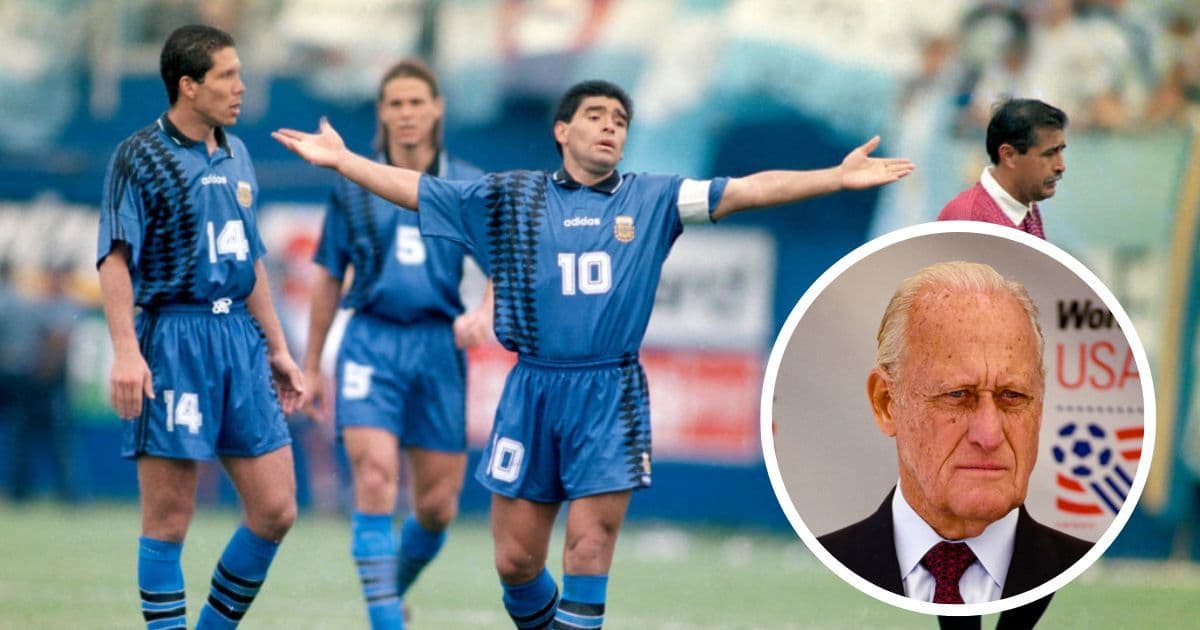
How FIFA’s bid to split World Cup matches into quarters was sunk by UEFA back in ’94
Key points
- ▪FIFA proposed 15‑minute quarters for USA 94 to boost ad revenue and manage heat.
- ▪UEFA argued the change would damage football’s identity and flow of play.
- ▪Hydration breaks in recent World Cups show the idea never fully went away.
Football fans have seen it all: cooling breaks that disrupt rhythm, stoppage‑time inflation, and endless debates over the length of a match. But few realise that the sport came within a whisker of a far more radical change three decades ago. FIFA, driven by the blazing sun of a North American summer and the lure of extra commercial slots, pushed to split World Cup matches into four 15‑minute quarters for USA 94. The proposal would have fundamentally altered the fabric of the game — and UEFA led the charge to kill it.
The 1994 Quarter Proposal
As the 1994 World Cup in the United States approached, FIFA’s marketing and competition committees saw an opportunity. A four‑quarter format, they argued, would allow for more TV advertising breaks, keep players cooler in the sweltering heat of venues like Orlando and Dallas, and even make the game more accessible to American audiences unfamiliar with continuous play. The proposal was serious enough to be debated at the highest level, with draft schedules and simulated matches used to test the idea. Players would get three intervals — after the 15th, 30th, and 45th minutes — rather than a single half‑time break. The clock would stop during stoppages, much like basketball or American football.
Why UEFA Blocked It
European football’s governing body, UEFA, pushed back with force. Led by its powerful president at the time, UEFA argued that football’s identity was built on the ebb and flow of 45‑minute halves. Breaking the game into four pieces, they said, would destroy rhythm, encourage tactical abuse of stoppages, and — worst of all — turn the World Cup into a spectacle designed for television, not for the sport itself. UEFA mobilised opposition within the International Football Association Board (IFAB), which ultimately rejected the change. The four‑quarter plan was shelved, and the 1994 tournament went ahead with traditional halves — albeit with the first‑ever use of a three‑point system in the group stage.
Hydration Breaks and Modern Context
Fast‑forward to recent World Cups, and the temperature debate is back. In Qatar 2022, FIFA introduced official hydration breaks midway through each half when the heat index exceeded certain thresholds. These breaks, though criticized for interrupting momentum, were a compromise: a way to address player welfare without rewriting the match clock. The 2026 World Cup, co‑hosted by the US, Canada, and Mexico, will face similar climatic challenges, especially in southern venues. Some leagues and competitions have already experimented with quarter‑length periods — the Russian Premier League briefly used a four‑quarter format in the 2010s — but the idea remains controversial. The lesson from 1994 is clear: any attempt to overhaul the game’s core structure meets fierce resistance from tradition‑guardians.
Looking ahead, the debate is unlikely to go away. As technology, broadcasting demands, and player welfare pressures intensify, FIFA may revisit the quarter system. Yet the memory of UEFA’s blockade serves as a warning: tinker with the 90‑minute format at your own peril. For now, the interval between halves — long enough for a quick slice of orange and a tactical rethink — remains football’s sacred pause.
More from OffsidePost
Arsenal's champion aura evaporates after Brighton thrashing
Chicago Stars vs Washington Spirit: How to Watch NWSL Clash on TV and Live Stream
Sevilla vs Barcelona: LaLiga Preview, Team News and Live Stream Details
Arsenal's WSL title drought will only end when the goals start flowing
Sandro Mazzola, Inter and Italy icon, dies aged 83
San Lorenzo vs Boca Juniors: How to Watch Argentine Giants Clash