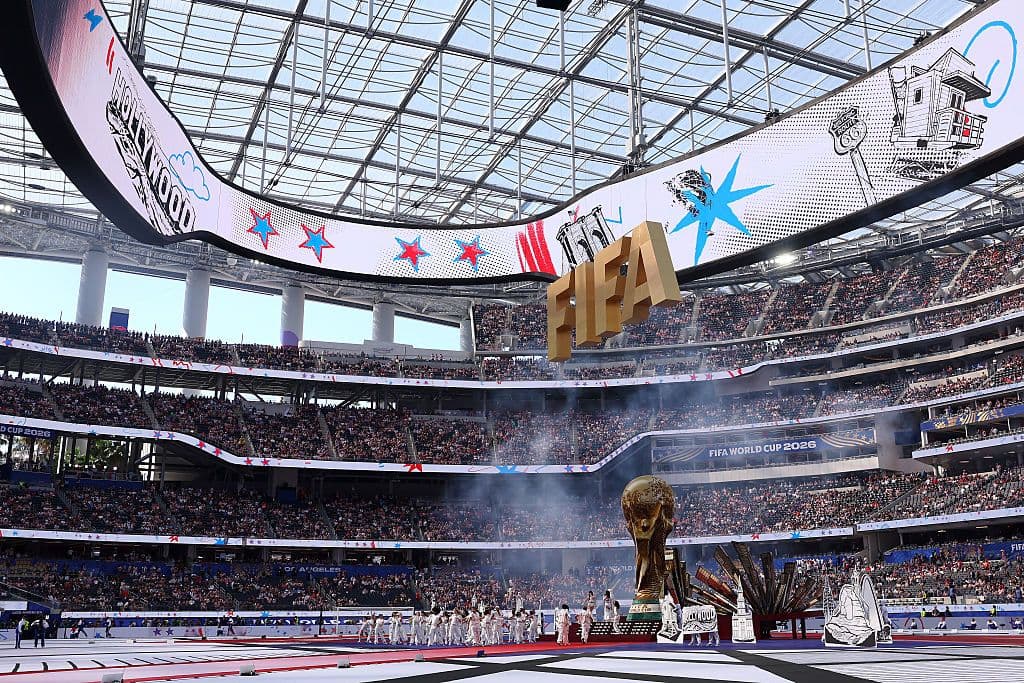
Why UK broadcasters are snubbing the World Cup final half-time show
Key points
- ▪Madonna, Shakira and BTS headline the half-time show.
- ▪BBC and ITV refuse to broadcast the mid-game extravaganza.
- ▪Rights costs and scheduling conflicts are likely reasons.
The World Cup final is the biggest fixture in football, a spectacle that captivates billions. But this year, UK viewers tuning into BBC or ITV will miss one of the most talked-about moments: the half-time show. Despite a star-studded lineup featuring Madonna, Shakira and BTS, both broadcasters have confirmed they will not air the mid-game concert.
What happened?
The half-time show has become a global event in its own right, with previous editions showcasing artists like Jennifer Lopez and Shakira. This year's lineup was expected to draw massive attention, yet UK broadcasters have opted out. The decision means fans watching on free-to-air channels in Britain will see analysis and replays instead of the live performance.
Why are they skipping it?
The exact reasons remain unconfirmed, but industry insiders point to a combination of factors. Rights fees for the half-time show are believed to be separate from the main match broadcast, and the cost may not justify the viewership for a short segment. Additionally, BBC and ITV have tightly packed schedules around the final, with pre-match buildup and post-match analysis. Airing the concert could clash with popular programming or require cutting into other commitments.
Another possibility is that the broadcasters feel the half-time show, while entertaining, does not align with their sports-focused coverage. Football purists often complain about commercial interruptions, and the networks may be prioritizing uninterrupted match coverage. However, given the global buzz around the artists, this silence speaks volumes.
What it means for fans
For UK supporters, missing the half-time show is a disappointment, but it also highlights the growing divide between the World Cup as a pure footballing event and its transformation into a multimedia carnival. As broadcasters juggle rights costs and audience expectations, fans may need to look to digital platforms or international feeds to catch the full experience.
The decision could set a precedent for future tournaments. If the half-time show fails to generate enough revenue for UK broadcasters, we may see more such omissions. For now, British viewers will have to choose: stick with the match analysis or find alternative streams to enjoy the show. Either way, the conversation about what the World Cup should offer—sport or spectacle—continues to evolve.
More from OffsidePost
Arsenal's champion aura evaporates after Brighton thrashing
Chicago Stars vs Washington Spirit: How to Watch NWSL Clash on TV and Live Stream
Sevilla vs Barcelona: LaLiga Preview, Team News and Live Stream Details
Arsenal's WSL title drought will only end when the goals start flowing
Sandro Mazzola, Inter and Italy icon, dies aged 83
San Lorenzo vs Boca Juniors: How to Watch Argentine Giants Clash