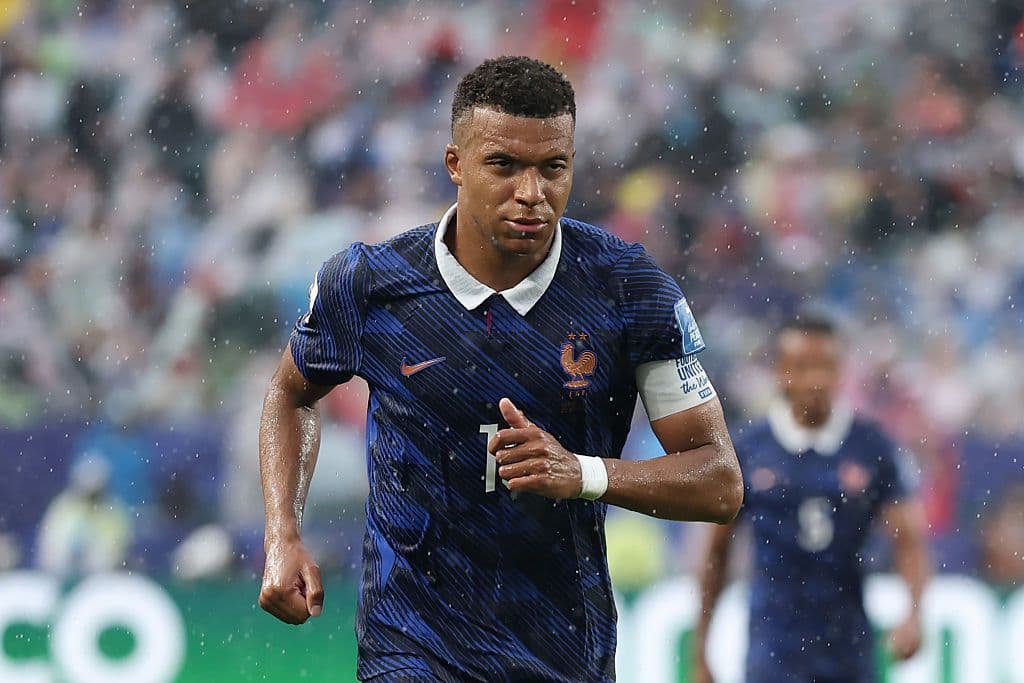
Extreme Weather Protocols Delay France vs Iraq at 2026 World Cup
Key points
- ▪Second half delayed by extreme weather protocols.
- ▪Match part of 2026 World Cup group stage.
- ▪Climate change threatens future tournament scheduling.
The 2026 World Cup witnessed an unprecedented interruption on matchday as the second half of the group stage fixture between France and Iraq was delayed under extreme weather protocols. Officials cited dangerous conditions—likely excessive heat or humidity—as the reason for the halt, leaving players, staff, and fans in suspense.
The Incident
The first half proceeded without incident, but during the interval, match officials activated FIFA's extreme weather protocol. This procedure, refined after concerns at the 2014 and 2022 tournaments, allows referees to pause play when wet-bulb globe temperature readings exceed a safety threshold. The delay affected both teams' tactical preparations and disrupted the flow of a crucial group stage encounter.
Why Extreme Weather Protocols Exist
FIFA introduced cooling breaks and match suspension rules following studies on heat stress and player health. At the 2022 World Cup in Qatar, matches were scheduled with air-conditioned stadiums, but for 2026—hosted across North America—natural ventilation and outdoor venues mean weather plays a larger role. The protocol is designed to protect athletes from heatstroke, cramping, and cardiovascular strain, with mandatory breaks or delays when conditions become hazardous.
Implications for the Tournament
The France-Iraq delay may not be an isolated event. Meteorologists have warned that summer temperatures in host cities could exceed safety limits, particularly in afternoon slots. This could force FIFA to revise kick-off times, introduce more frequent cooling breaks, or even move matches to cooler locations. For teams, such disruptions test adaptability—managing disrupted rhythm and extended half-time periods. Fans too face uncertainty, as stadium operations must accommodate weather-related stoppages.
Looking ahead, the incident signals that climate change is now a fixture in football's calendar. World Cup organizers will need to embed flexible scheduling and robust medical protocols into future tournaments. For France and Iraq, the delay adds an unexpected variable to their group stage battle—but for the sport, it is a reminder that player welfare and natural forces must increasingly dictate the game's rhythm.
More from OffsidePost
Arsenal's champion aura evaporates after Brighton thrashing
Chicago Stars vs Washington Spirit: How to Watch NWSL Clash on TV and Live Stream
Sevilla vs Barcelona: LaLiga Preview, Team News and Live Stream Details
Arsenal's WSL title drought will only end when the goals start flowing
Sandro Mazzola, Inter and Italy icon, dies aged 83
San Lorenzo vs Boca Juniors: How to Watch Argentine Giants Clash