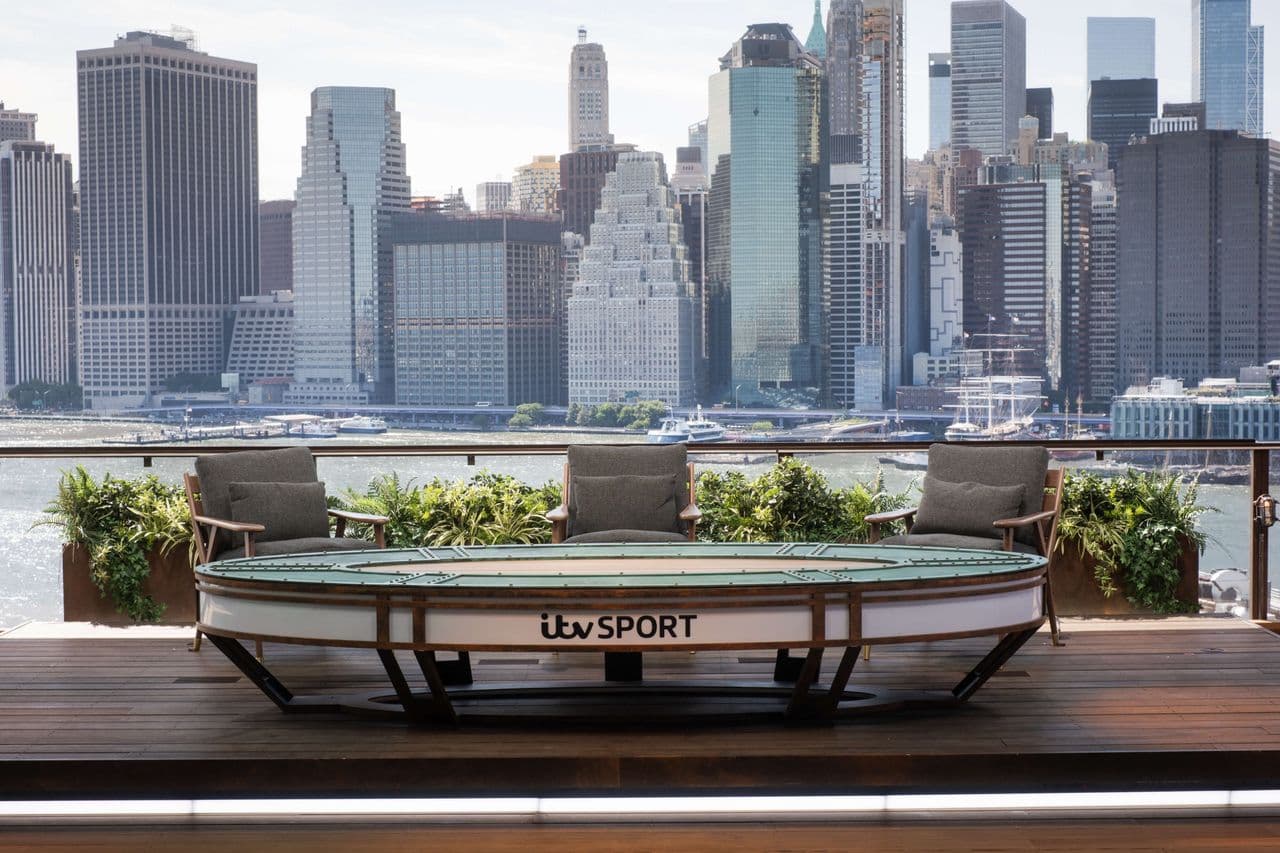
ITV’s Refreshing Stance: No Ads During World Cup Hydration Breaks
Key points
- ▪ITV won't show adverts during World Cup hydration breaks.
- ▪Other broadcasters are using the breaks for extra ad revenue.
- ▪The decision prioritizes fan experience over commercial gain.
The World Cup has always been a battleground for broadcasters, but this year the fight isn't just on the pitch. With the introduction of hydration breaks in torrid conditions, networks worldwide saw a golden opportunity to squeeze in more commercials. Yet ITV, the UK's free-to-air broadcaster, is bucking the trend—and it's a decision that will have fans reaching for the remote with a smile.
The Hydration Break Phenomenon
Hydration breaks, also known as cooling breaks, were first introduced at the 2014 World Cup in Brazil to combat extreme heat. Referees can pause play at the midway point of each half if the wet-bulb globe temperature hits a certain threshold, giving players a chance to drink and regroup. These natural stoppages typically last around three minutes—ample time for broadcasters to slip in a quick advert break.
ITV's Refreshing Choice
While many international broadcasters—most notably in the US and parts of Asia—have been quick to monetise these hydration pauses, ITV has steadfastly refused. Sources close to the broadcaster indicate that the decision was made to preserve the flow of the game for viewers. "We believe fans want to see the action, not a car insurance ad, when players are taking a quick drink," an insider remarked. This stands in contrast to competitors who treat the breaks as just another commercial slot.
Why This Matters for Fans
For the armchair supporter, ITV's call is a small victory in an era of increasingly fragmented viewing. The hydration break is a moment of tension—players gather, managers shout instructions, and tactics are tweaked. Cutting away to a commercial would shatter that atmosphere. By keeping the cameras rolling and the crowd noise alive, ITV respects the drama of the occasion. It also sets a precedent: perhaps broadcasters can prioritise the sport over the balance sheet without sacrificing their bottom line.
Looking ahead, with climate change making extreme heat more common, hydration breaks could become a permanent feature of future World Cups. ITV's decision may well pressure other networks to reconsider their own strategies—proving that sometimes the best advert for a broadcaster is letting the beautiful game speak for itself.
More from OffsidePost
Arsenal's champion aura evaporates after Brighton thrashing
Chicago Stars vs Washington Spirit: How to Watch NWSL Clash on TV and Live Stream
Sevilla vs Barcelona: LaLiga Preview, Team News and Live Stream Details
Arsenal's WSL title drought will only end when the goals start flowing
Sandro Mazzola, Inter and Italy icon, dies aged 83
San Lorenzo vs Boca Juniors: How to Watch Argentine Giants Clash